
The Edge Computing Boom: Bringing Data Centers Closer to Home
When we think of data centers, we usually imagine massive, warehouse-sized facilities located in remote areas. But…
When we think of data centers, we usually imagine massive, warehouse-sized facilities located in remote areas. But as technology evolves, the physical geography of the internet is changing. The driving force? Edge Computing.
With the explosion of IoT (Internet of Things) devices, autonomous vehicles, and real-time AI applications, sending data back and forth to a centralized cloud hundreds of miles away simply takes too long. Even a few milliseconds of latency can be the difference between a self-driving car braking in time or a smart grid balancing power effectively.
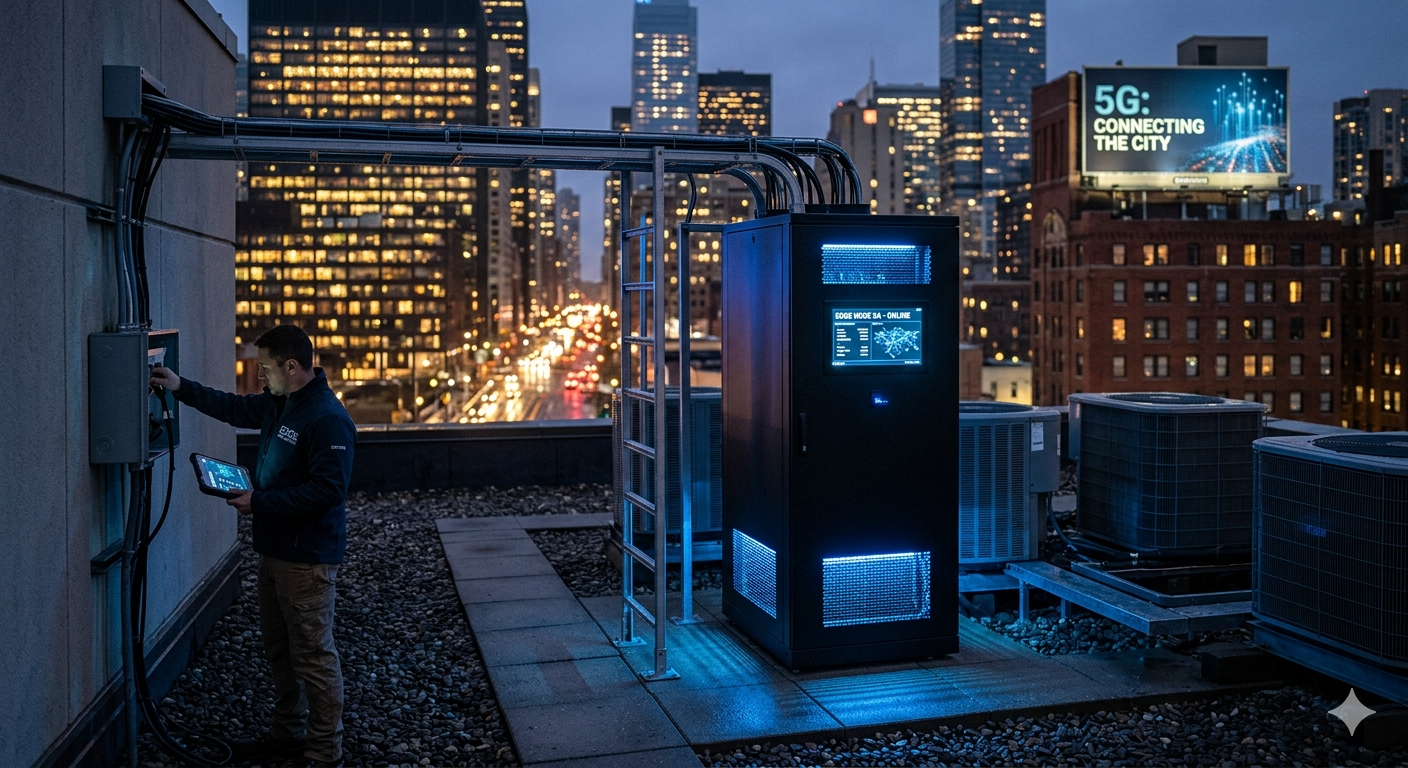
To solve this, the industry is moving the processing power to the “edge” of the network—closer to where the data is actually generated. This means deploying micro-data centers in urban office buildings, at the base of cell towers, and even in retail stores.
But implementing and maintaining these edge data centers presents a unique set of challenges. Unlike centralized mega-facilities, edge locations often lack dedicated cooling infrastructure, robust power backups, and on-site IT staff. They require highly specialized, compact equipment that can operate autonomously in non-traditional environments. Furthermore, maintaining hundreds of distributed micro-sites requires a proactive, remote-monitoring maintenance strategy to prevent downtime.
The future of connectivity isn’t just in the cloud; it’s right around the corner. As businesses race to capitalize on zero-latency applications, having the right hardware, flawless implementation, and reliable maintenance at the edge will be the ultimate competitive advantage.