Beating the Heat: Why Liquid Cooling is the New Standard for AI-Driven Data Centers
We are in the middle of an AI gold rush, and the pickaxes are high-performance GPUs. But…
We are in the middle of an AI gold rush, and the pickaxes are high-performance GPUs. But there is a hidden challenge that the tech world is scrambling to solve: Heat.
As businesses deploy increasingly dense racks to handle machine learning, big data, and AI workloads, traditional air-cooling systems are hitting their physical limits. Forcing massive amounts of chilled air through a data center is no longer just inefficient—it’s becoming mathematically impossible to keep up with the thermal output of next-generation chips.
Enter the era of Liquid Cooling.
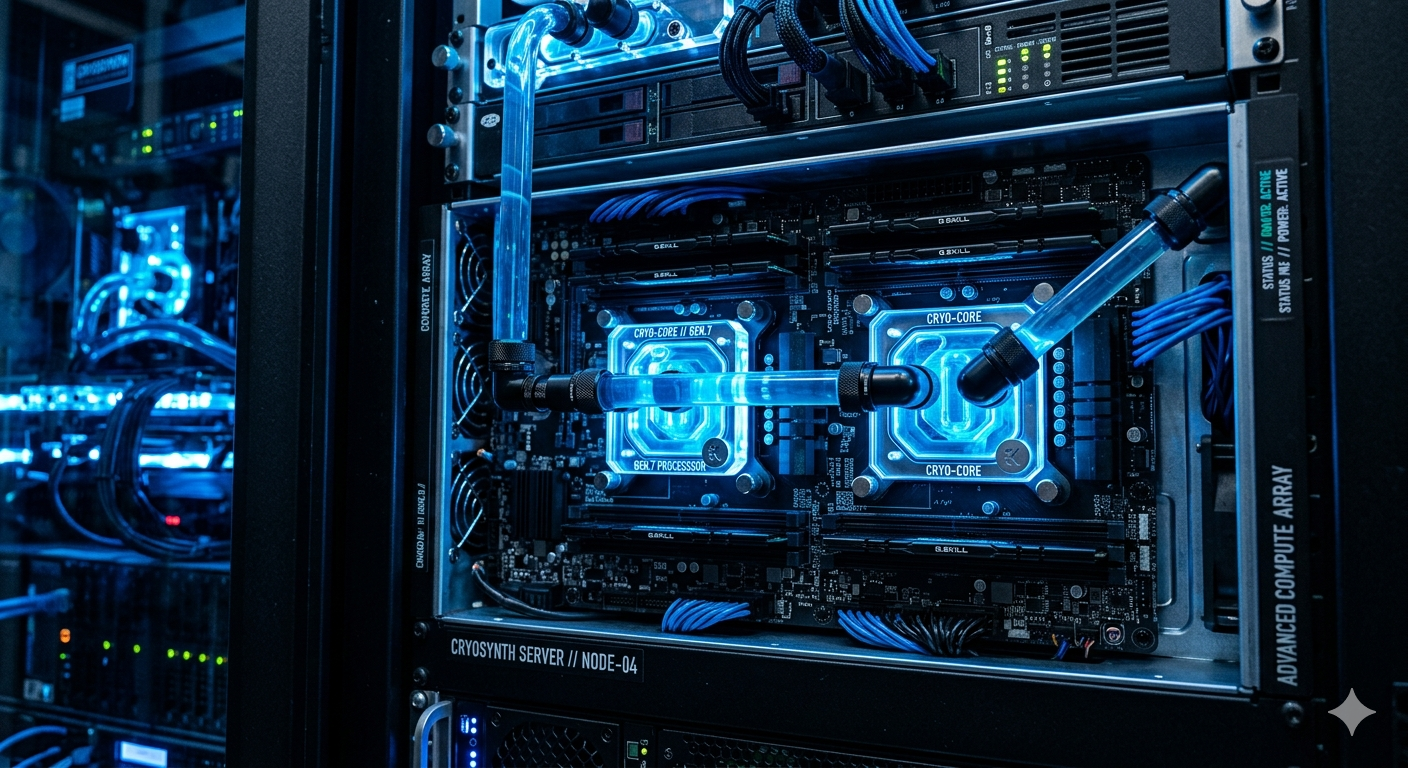
Whether it’s Direct-to-Chip (D2C) cooling or full Immersion cooling, liquids are up to 3,000 times more effective at transferring heat than air. Transitioning to liquid cooling doesn’t just prevent your servers from melting down; it drastically reduces your facility’s Power Usage Effectiveness (PUE), slashes electricity bills, and shrinks your carbon footprint.
Implementing this technology, however, requires precision engineering. From reinforcing floor loads for heavy liquid-filled tanks to designing leak-proof maintenance protocols, upgrading a data center is a monumental task.
As the demands on data centers evolve, so must the infrastructure that supports them. If your facility is still relying entirely on legacy HVAC systems, you might be leaving performance—and money—on the table.
Need to upgrade your thermal management or implement a high-density server environment? Our team specializes in the end-to-end implementation and maintenance of next-generation data center equipment.